
For anyone who is visiting this site and has this disease, let me first say I am sorry. I have read how painful it can be but hopefully your body will be able to heal itself with a little bit of work. Let’s start with what exactly is pilonidal disease? It is a recurring pilonidal cyst, which is defined as an unusual pocket in the skin that usually contains hair and skin debris (according to the Mayo clinic). They further state that “pilonidal cysts usually occur when hair punctures the skin and then becomes embedded. If a pilonidal cyst becomes infected, it can be very painful.” These occur on the skin near the tailbone area. The word pilonidal means “a nest of hair.”
According to Banner Health, most cases of pilonidal cysts occur when a loose hair gets into the skin and then gets embedded. This causes your body to create an immune response to it which is why pain, redness, and swelling occur. If it gets infected then it can turn into an abscess, which is extremely painful and may require surgical drainage if it doesn’t drain on its own. The biggest risk factors are prolonged sitting, having thick body hair, trauma to the tailbone area, excessive sweating, and tight clothing.
The interesting thing about this is that people’s experiences vary greatly. Some people get a cyst once and then it never comes back. Others get one a few times in their life. And others tend to get them frequently or have one that stays with them and never improves. They find this condition common in younger adults and people who have jobs where they sit for long periods of time. However, anyone can get them. Students are also at a risk since they sit down for hours as well. Another cause is having a fall or injury to the tailbone area. This condition used to be called “Jeep disease” since they saw it frequently in World War 2.
TIME magazine, February 28, 1944, said “Riding in jeeps, touring in tanks and taking the bumps of basic training have caused such an increase in pilonidal-cyst disorders that some doctors call them jeep disease. Cause: an infection of a congenital cyst at the base of a man’s spine. Chief symptom: it hurts to sit down.” These men were sitting on hard surfaces and were driving on bumpy terrains for who knows how long. It was a worse case scenario for this condition.
What those soldiers went through sounds horrible, but hearing people’s experiences with this in modern times is also not much better. The good news is that for many people there are remedies available to treat this at home. Even some doctors’ websites have recommendations for natural remedies to try. What I will be sharing with you are my personal opinions for how to heal from this condition. Obviously, please use common sense and if there’s an infection where fever, nausea, or red streaks start to form on the skin seek immediate medical attention.
When you have a cyst…
The best remedy for a cyst is a warm compress. There is usually a recommendation of an Epsom salt bath by many providers. This is mentioned across the board on different websites, but why not use plants to speed up the healing? You can add plants to the bath or you can make a tea, let cool slightly so it doesn’t burn the skin and then apply it to the cyst with a paper towel. The plants to use for this kind of compress is basically what you have available. Plantain, calendula, yarrow, self-heal would all be perfect to use, but if you are not familiar with these, we will talk about kitchen remedies. The ratio to use for dried herbs is 1 tablespoon per cup of hot water, let steep until the water cools slightly-maybe 20-30 minutes. I would also highly recommend that you strain the tea into a paper or plastic disposable cup so that you’re not using one of your own drinking glasses. Then, dip the paper towel into the warm tea, squeeze out the excess, and apply it to the cyst. Do this for as long as you can, at least 10-15 minutes, and as often as you want during the day. A combination of these plants together would be great, or use what you can.
Plantain has a drawing effect, which means it pulls things out of tissue like bacteria, splinters, etc. Calendula is amazing for the skin and is also antiseptic. Yarrow is antiseptic as well and has so many uses. Self-heal has a cooling effect and is great for inflammation. Now, what if you don’t have any of these plants available? We turn to kitchen medicine.
- Onion– I was surprised to find online that a couple doctors offices recommended an onion poultice. Onions are great medicine and have been used to place on different skin infections for healing. You can slice an onion and place a chunk right on the cyst. The sulfur compounds in onions are great for infections.
- Thyme and sage– Thyme and sage are highly anti-bacterial plants. If you have nothing else, I would make a tea of these two, or even one or the other, let them steep at least 20 minutes, then apply as directed above. Why not add a chopped onion to the tea for an even more of the medicinal effect?
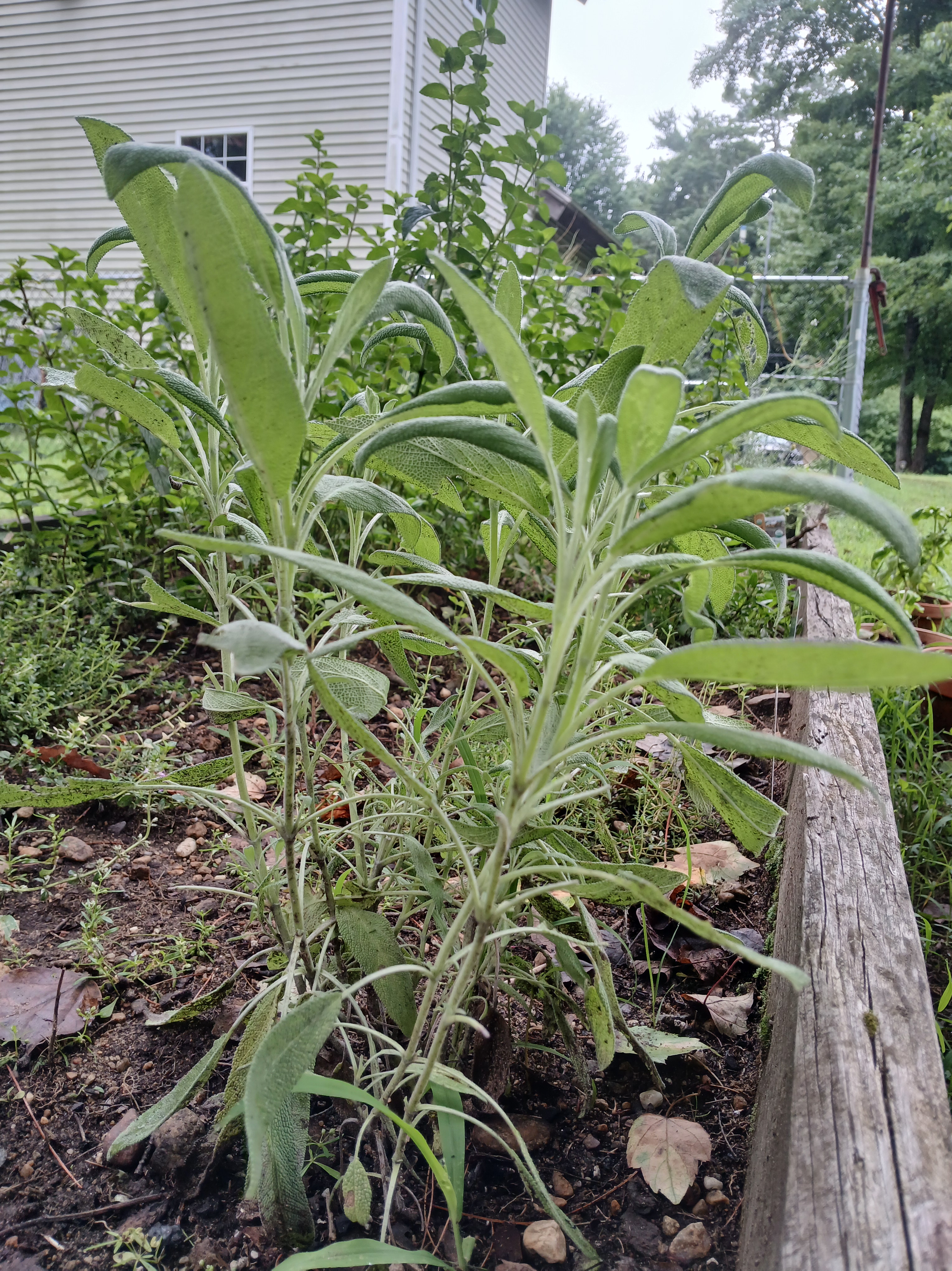
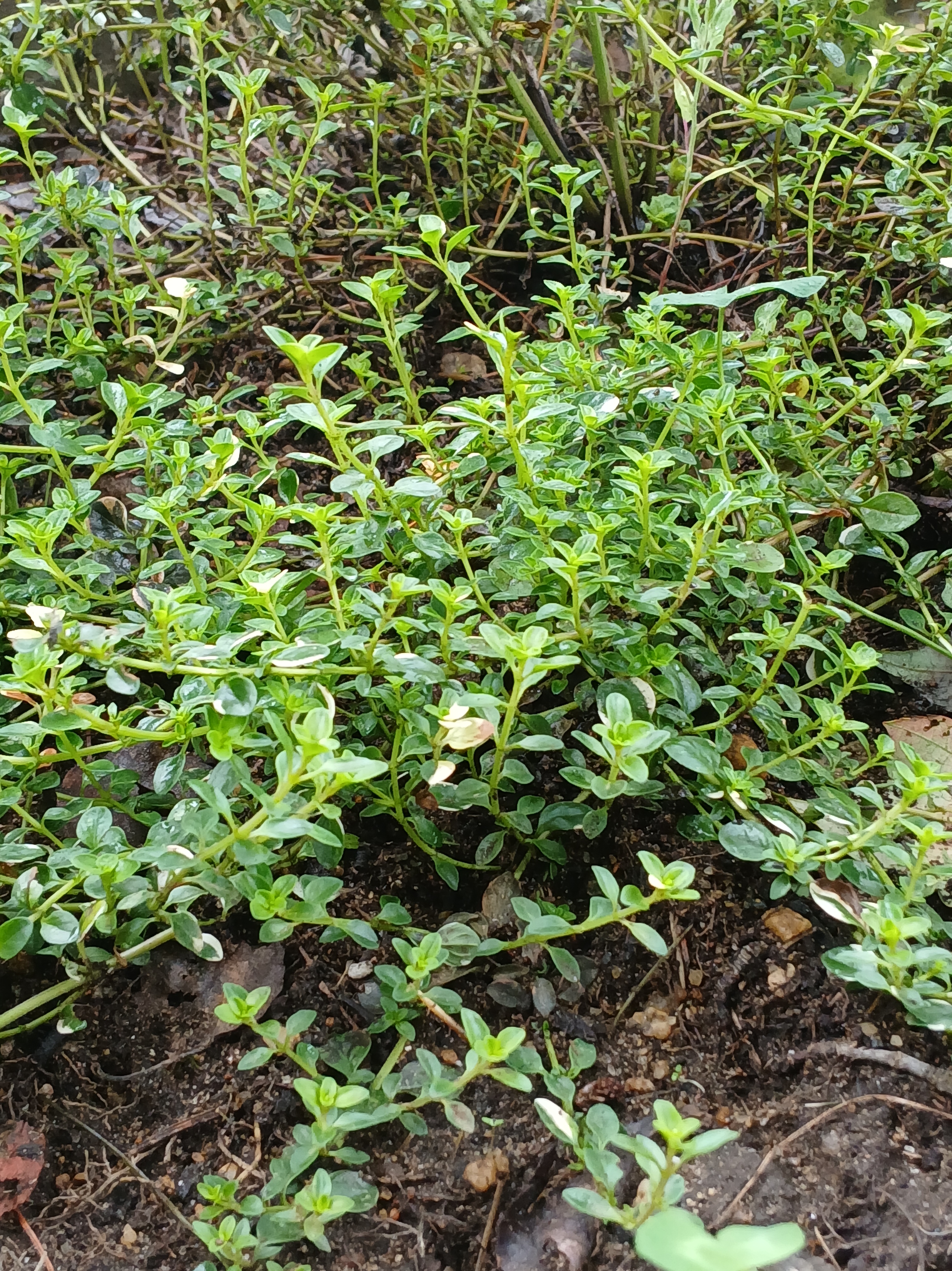
3. Chamomile- One item every household should have on hand is chamomile tea, since it can be used in so many ways. I like the brand Traditional Medicinals. If you don’t have any of the above, chamomile can be a good option. You can simply put the tea bag in a disposable cup of hot water for 10 minutes or so, then apply the bag directly to the cyst.
4. Apple Cider Vinegar- I have a separate post about this and why everyone should have it in their homes. ACV is astringent, which means that it tightens up tissues. It’s also very anti-bacterial, antiseptic, and anti-fungal. And again, why not make it more medicinal by infusing plants into it? If you need it in a pinch, you can certainly use it as is by placing some on a cotton pad and applying it directly to the cyst. However, if you are prone to getting these cysts, consider infusing the plants mentioned above such as plantain, calendula, yarrow, thyme, sage, etc. Simply fill a glass jar 1/3 of the way with the dried herbs then cover with ACV to within half an inch of the jar. Cap with a plastic lid, otherwise the vinegar will corrode a metal lid. Let steep for 3 weeks, then strain and re-bottle.

ACV would also make a great preventative. Let’s say you have a job or are a student and there’s not much you can do about sitting for too long. I would suggest wiping the area with apple cider vinegar or witch hazel extract before you go to work or school. Remember to always wipe the area from the top down.
5. Salve- Having a good healing salve on hand would definitely help to reduce the discomfort. Another popular remedy is tea tree oil and coconut oil. I would say it would be best to combine the two or have a salve made with coconut oil that is herb infused. The above mentioned plants would work best, especially plantain, calendula, and self-heal. You can also add a few drops of tea tree oil to a salve on a cotton pad and apply directly to the area.
6. Tea- Any of the nutritive teas can also be taken during this time for minerals and general well-being. Nettles, violet leaf, red clover, alfalfa, and dandelion leaf can be made into an overnight infusion and taken daily. Drinking plantain, calendula, self-heal, or yarrow can help heal mucous membranes and other tissue in the body (steeping time is about 30 minutes). For anyone who has recurring cysts or has active pilonidal disease, drinking these teas to cleanse the blood would be great for healing.
If you do the compresses and the other treatments, you should see results fairly quickly and the cyst should be getting better every day. Again, if you have the active disease, it’s important to consider making dietary changes to help your body heal. I was very pleasantly surprised when I read on a doctor’s website that what you eat does in fact affect this disease.
Dr. Allen Kamrava states “Believe it or not, what you eat will have an impact on pilonidal cysts. One can simply mention that healthy foods can boost immunity and decrease inflammation, thereby minimizing incidences of cysts.”
Yes! Diet does in fact affect your health. I would strongly recommend eliminating all refined sugars while you’re healing from this illness and cutting out junk food. This means no: fast food, soda, packaged foods from regular grocery stores, pastries/sweets/, candy, etc. And definitely no sugary drinks from Starbucks or Dunkins. Eat plenty of vegetables and other good stuff.
The other important thing to keep in mind is to be aware of how long you sit each day. Especially if you sit on a hard surface, consider putting a pillow on the seat. For anyone who works in an office, try to remember to stand and walk around as often as you can.
Regarding tight clothing, if you’re prone to getting these it’s really important to consider wearing only comfortable clothing and undergarments that are 100% percent cotton. All the doctor’s offices stress the importance of hygiene and keeping the area clean on a daily basis. Obviously, it doesn’t mean that anyone who has this doesn’t wash. They just have to be extra careful so that it doesn’t keep coming back.
I have heard from some websites and doctors that the only way to cure this problem is with surgery. However, it’s really important for a person to consider all of their options first before doing anything drastic. On the website of Boston Children’s Hospital they state “Surgical treatment of pilonidal disease was common in the past but is now rarely performed. We use it only for patients who fail sinusectomy or are unable to comply with the treatment protocol for behavioral or other reasons.”
Other options that are given are laser hair removal, which permanently removes all hair in the area or a sinusectomy where the skin pits are removed thereby closing any entry for hair. It can be done with local anesthesia and healing from it is fairly quick. I have read horror stories where people have reported that even after surgery the cysts keep coming back. And even worse, some doctor’s offices have stated that people have gone through multiple surgeries before finding them!
When it comes to any health issues, remember to always consider all of your options and do research on your condition before making any decisions about something like surgery. You should never make these decisions out of fear. I am hopeful that with some effort and self-care this condition can be managed and possibly eliminated.
Here are the links from doctor’s offices:


Leave a comment