Turns out, it is possible to survive the winter season without getting sick. I can’t tell you how many times I’ve been sick in my life, and over the years I’ve learned many things about what causes illness and how to manage it. Most people are not taught basic remedies for self-care when they are ill, so I will share what has worked over the years with myself and others. Let’s start with the basics:
What an immune system needs:
- Optimal nutrition
- Adequate vitamin D levels
- Adequate vitamin C intake
- Daily movement
- Fresh air
- Hydration
- Sleep
What depletes immunity:
- Stress
- Lack of sleep
- Excessive intake of sugar/preservatives/chemicals in food
- Excessive alcohol intake
- A sedentary lifestyle
- Nutrient deficiencies
- Toxins from personal care products
- Do I have to mention smoking?
An optimal diet includes eating complete protein sources daily (grass-fed meats and poultry, and/or seafood, eggs), consuming a variety of fresh fruits and vegetables, healthy fats, and ideally properly prepared grain consumption depending on how much you can tolerate. If you eat dairy, it should be raw or organic whenever possible (never low-fat or no fat).

We should all be doing some kind of movement every day to help our lymphatic system move. The lymphatic system is responsible for removing toxins from the body but cannot do its job unless we move. If nothing else, try to get in some walking time everyday as much as possible. Most of us spend time outdoors when the weather is nice, but even in the winter time, try to get some fresh air as much as you can. If you have a pellet stove or oil heating system running constantly, make sure to run a humidifier since the heat can dry out your mucous membranes, which will make you more susceptible to getting sick.
It is important to keep in mind that while having a cold is unpleasant, the flu can be deadly. Recovery from the flu takes at least a week, and often longer for people who burn the candle at both ends or have a weak constitution. Most illnesses come from viruses and so antibiotics will do nothing except kill your good bacteria and deplete your gut health. Over-the-counter cold medications work by stopping your immune system from doing its job and masking the symptoms that your body is expressing to fight the illness. Instead, using home remedies can help your body fight off pathogens in a natural way that will not cause damage to your body long term.
Regarding vitamins C and D, I’ve written about vitamin D before and I’ll say it again, that it is incredibly important for so many functions and is necessary for optimal health. When I was in my early 20s my level at one point was 11. No wonder I was sick all the time and had chronic fatigue. Vitamin D levels should be at least 50. I started taking 10,000 IUs daily and continued at that dose for a few years, and now I take 5,000 IUs everyday. I had my levels checked several years later and it went up to 42, but it took a long time. If you can get your levels tested I highly recommend it. If you have adequate levels already, you can take 2,000 IUs to maintain them.
Vitamin C is something we’ve all heard about for immunity, but what I never knew until recently is that how much you take, how often, and in what form makes all the difference when it comes to health. You can get enough from food if you’re eating fresh fruits every day, but not many people do. If you’re under a great deal of stress, you should take extra to rebuild your adrenal glands. And if you’re sick, you should also take extra to boost your immunity. I take about 500 mg every day to maintain health. The brand that I’ve had success with is Garden of Life Raw Vitamin C. You can also take camu camu powder or acerola powder, which are fruits that contain the highest levels of vitamin C found in nature. You want to avoid ascorbic acid, which is the synthetic stuff found in most supplements and multivitamins. Pine needles and rose hips are also natural sources of vitamin C and can be enjoyed as a tea in the winter months.
About fevers:
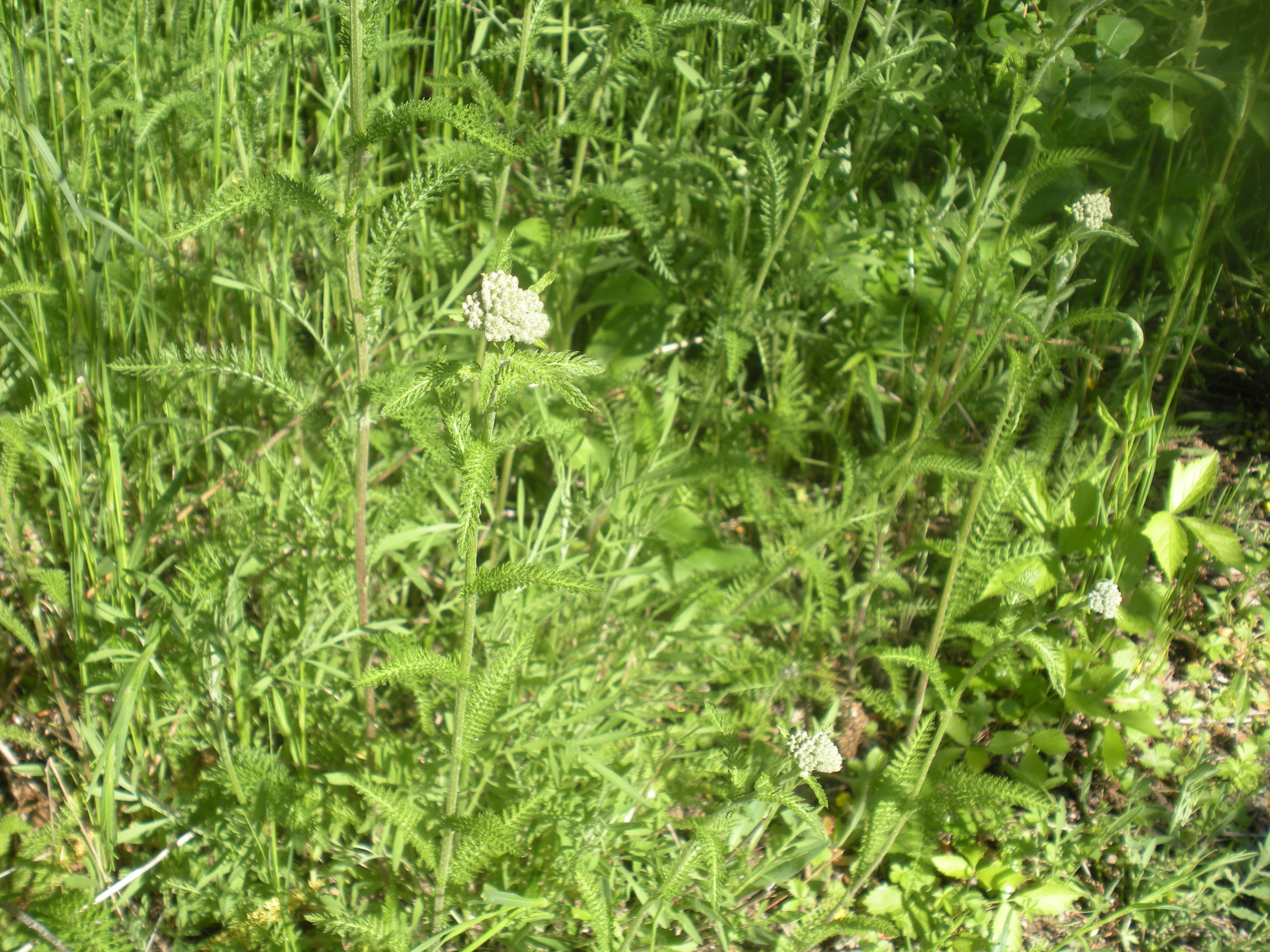
Bacteria cannot survive in high temperatures, which is why our bodies have a fever mechanism. Many of us have been conditioned to worry when we or our children have fevers, but a fever is very helpful to the body and should not be suppressed by over the counter medications. The fever itself is not the illness, but is a response to a pathogen that our body is fighting off. Our bodies get very warm to drive out what is ailing us, making it inhospitable for germs. A natural way to reduce a fever would be to drink herbal teas that open pores to help release the heat. Some of these herbs include yarrow, lemon balm, and elderflower. Use 1 teaspoon of dried herb per cup of boiling water and let steep for about 15 minutes covered.
For an extra boost in the winter to keep the germs at bay, kitchen spices work great. Garlic is truly an all-star. It was once called poor man’s penicillin and contains anti-bacterial, anti-viral, anti-parasitic, and anti-fungal properties. You can suck on a garlic clove once a day as a daily preventative or add it to meals as often as you can. Some people even make garlic oil to rub on their feet before bedtime to let the oils sink into their pores. In the morning they can taste the garlic! The way to get the most benefit from garlic is to chop or mince it, let it sit for 10 minutes, then consume it as is or mixed with raw honey or olive oil to make it easier on the stomach. Letting it sit for 10 minutes activates a compound called allicin, which is responsible for the anti-microbial activity. This can also be added to dishes at the last 2 minutes of cooking.
Other suggestions:
- Ginger is a classic cold and flu herb. It’s great for the chills or if you’ve been out in the cold for too long and need to warm up. You might not want to use it if you have a fever, since it’s already warming. It can also help expel mucous from the body, especially if you have a lot of phlegm. Ginger can be made as a tea fresh or dried, or used as a powder.
- Making your own chai is simple and medicinal. Use approximately 1 teaspoon of various chai herbs like cinnamon, clove, cardamom, black pepper, star anise per one cup of water and simmer for at least 20 minutes. The chai herbs stimulate circulation and make your body inhospitable to germs. Add almond or coconut milk along with sweetener of choice if desired.
- Sauté onions with lots of curry powder and serve as a side dish or over rice for a super medicinal meal. This is also great when you are sick.
- Make a cranberry/ apple relish by mixing 1 lb. of fresh cranberries and 1 apple with a ¼ cup of liquid sweetener in a food processor. This gives you a super antioxidant blend and that has an ample amount of vitamin C.
- Make bone broth from chicken or beef and add shitake and other mushrooms along with seaweed like kombu or kelp (optional). Bone broth has an array of health benefits and should be consumed regularly whenever possible.
For when you do get sick…

Getting plenty of rest is essential. If you have a cold, eat light meals only and avoid sugar, wheat, fruit juice, and dairy. Sugar suppresses your immune system and eating heavy meals takes energy away from your body that it needs to fight off the virus. Dairy and wheat cause congestion and fruit juices should be avoided as well for the same reason.
Good foods to eat when sick: soup with lots of onion and garlic, mushed up potatoes with herbs, applesauce with cinnamon, pureed squash and spices.
For a flu or fever: fast if you can. Many people with a fever naturally lose their appetite since this focuses the body’s energy on healing rather than digesting. Drink hot tea to help you sweat it out and get under the covers. If you have the flu, boneset is your friend. Especially if you have aching bones. Use 1 teaspoon per cup of boiling water, cover and steep for at least 20 minutes. Even though it’s immensely bitter, it will help tremendously.
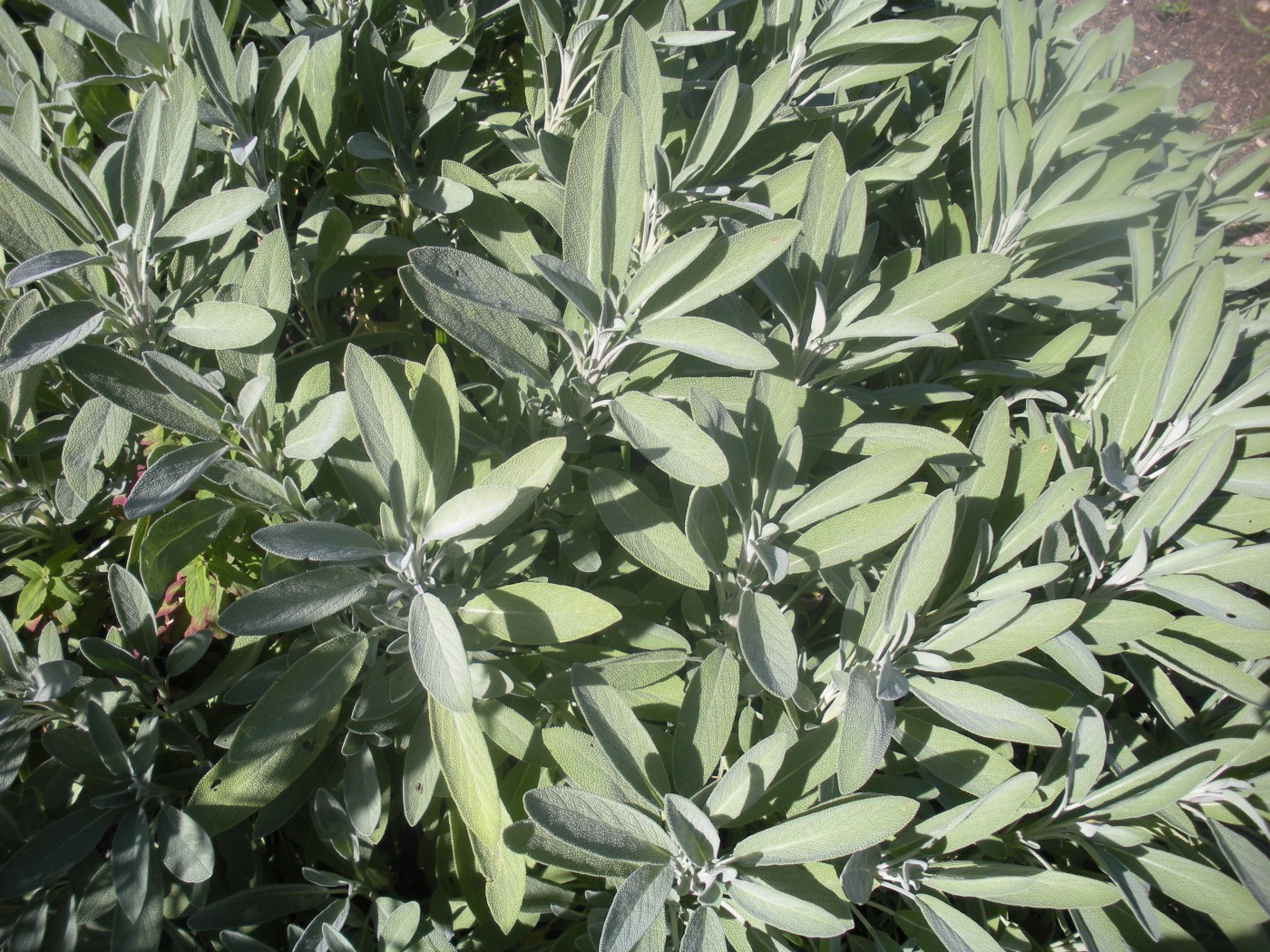
For stuffiness: grate horseradish, eat wasabi, take fire cider. Also do an herb steam with aromatic herbs such as thyme or sage.
For a wet cough: hyssop, thyme, or pine needle tea.
For a dry cough: marshmallow root or leaf steeped in cool water for at least half hour. Licorice tea is also nice.
For sore throat or swollen glands: gargle strong sage tea alone or with salt and apple cider vinegar. Long steeped chamomile tea. Mullein tea and calendula are great for swollen glands.
For chest congestion: thyme/ ginger tea.
For ear infections: sauté a sliced onion for a few minutes in some olive oil. Place into a small towel or cheesecloth and hold against the ear for about 10-15 minutes on each side. (Obviously seek medical help as well)
In all cases: garlic lemonade, elderflower, lemon balm, and yarrow/ peppermint tea, lots of room temperature water.
To make garlic lemonade, put 4 smashed cloves of garlic and an inch of grated ginger root (optional) into a pint glass jar and pour just boiled water over it. Let sit for about 15 minutes. Add the juice of a whole lemon along with a pinch of cayenne pepper (optional) and drink throughout the day.
Resources:
- vitamind.mercola.com
- www.vitamindcouncil.com
- To buy activated mushroom powders: www.mushroomharvest.com
- To buy herbal powers or dried herbs: www.mountainroseherbs.com
- www.urbanmoonshine.com they carry an immune tonic tincture that’s made of adaptogens


Yes! I don’t get sick nearly as often as I used to. Thanks for reading 🙂
I do many of these things. You are right about being healthy. I am 59, active and relatively healthy. I credit good food, exercise, rest and purpose. Thank you.