Having hemorrhoids is a common health problem in our society, yet one that is often not talked about because many people find it embarrassing.
I was surprised to find out only recently that I have had family members and acquaintances who not only have chronic problems with hemorrhoids, but have had surgery to remove them. According to the NIH, about 1 in 20 people suffer from them, and they affect half of people over age 50. With that said, it’s really important for people to know basic habits that can prevent hemorrhoids and simple ways to heal them once they’ve developed.
What exactly are hemorrhoids? In short, hemorrhoids are swollen veins in the rectal area. There are internal and external hemorrhoids, and symptoms vary in severity. They are usually painful, and can cause bleeding, itching, and pain. They’re basically a type of varicose veins.
What causes hemorrhoids? Mainly a low fiber diet, constipation/straining on the toilet, pregnancy, and lifting heavy objects are the common culprits. Constipation, I’d say, is the biggest one. I grew up with the Standard American Diet (SAD), and most other people I knew did as well. The SAD diet is comprised of fast food, few vegetables, highly processed food, and the like, and so it’s no wonder that many people in our country suffer from them. To prevent and heal hemorrhoids, it is crucial to change the diet and toilet habits. There are also natural remedies that can help heal hemorrhoids and possibly prevent them from reoccurring. Here are my recommendations:
- Increase fiber in the diet
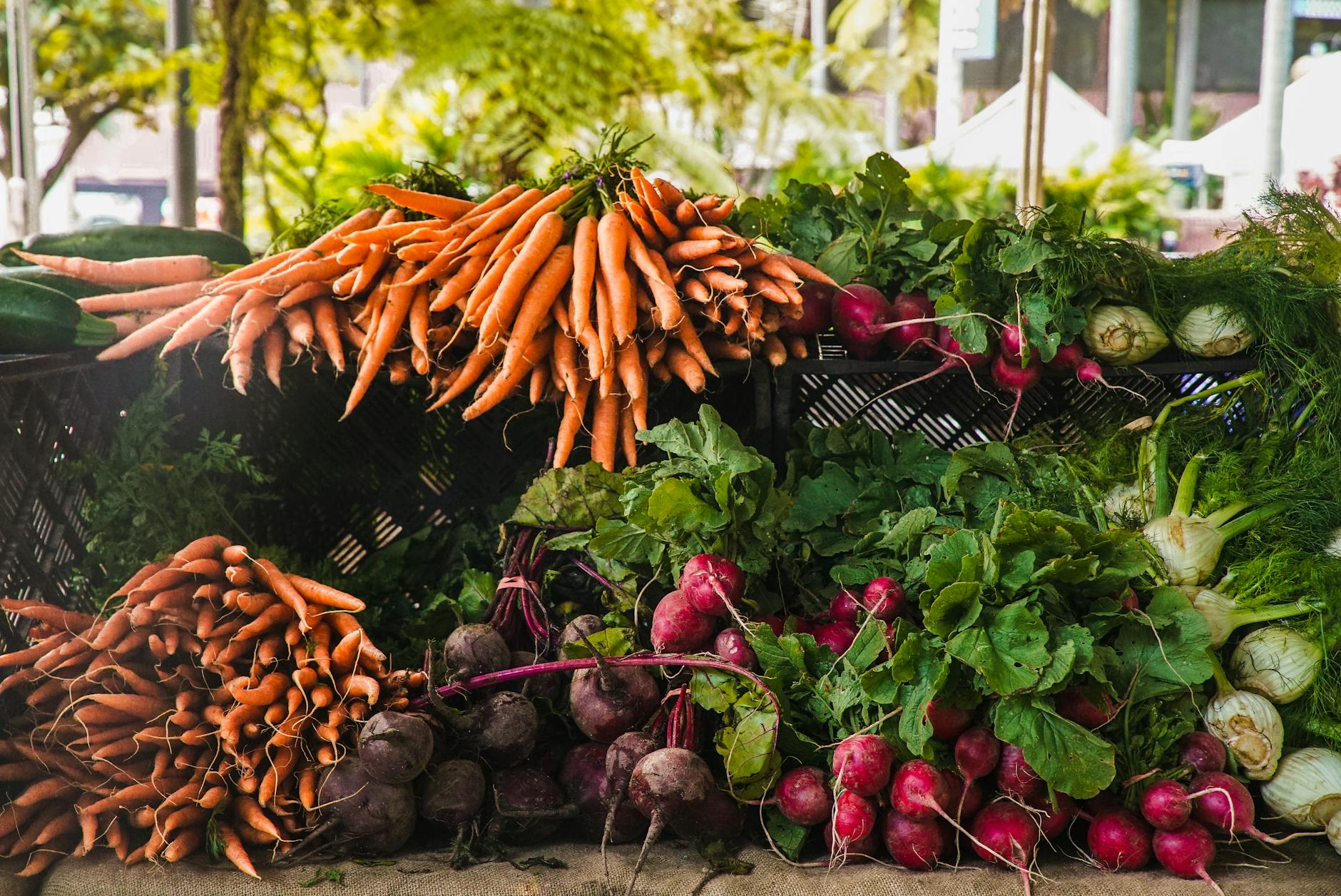
Ideally, have a high fiber meal for at least two of your meals in a day. The best fibrous vegetables are: broccoli, cauliflower, Brussels sprouts, leafy greens like kale and Swiss chard, carrots, beets and others. If you’re someone who doesn’t like vegetables, try them roasted in the oven mixed with garlic powder (or other seasonings) and olive oil at 400 degrees for about 30 minutes. The leafy greens can be added to soups during the last 5-10 minutes of cooking if you don’t like their flavor on their own. As I said before, it is very important to have these regularly prevent constipation. Vegetables can be tasty if you prepare them right. But whatever you do, avoid canned vegetables as they taste like flavorless mush. Buy frozen at least, if you won’t buy fresh.
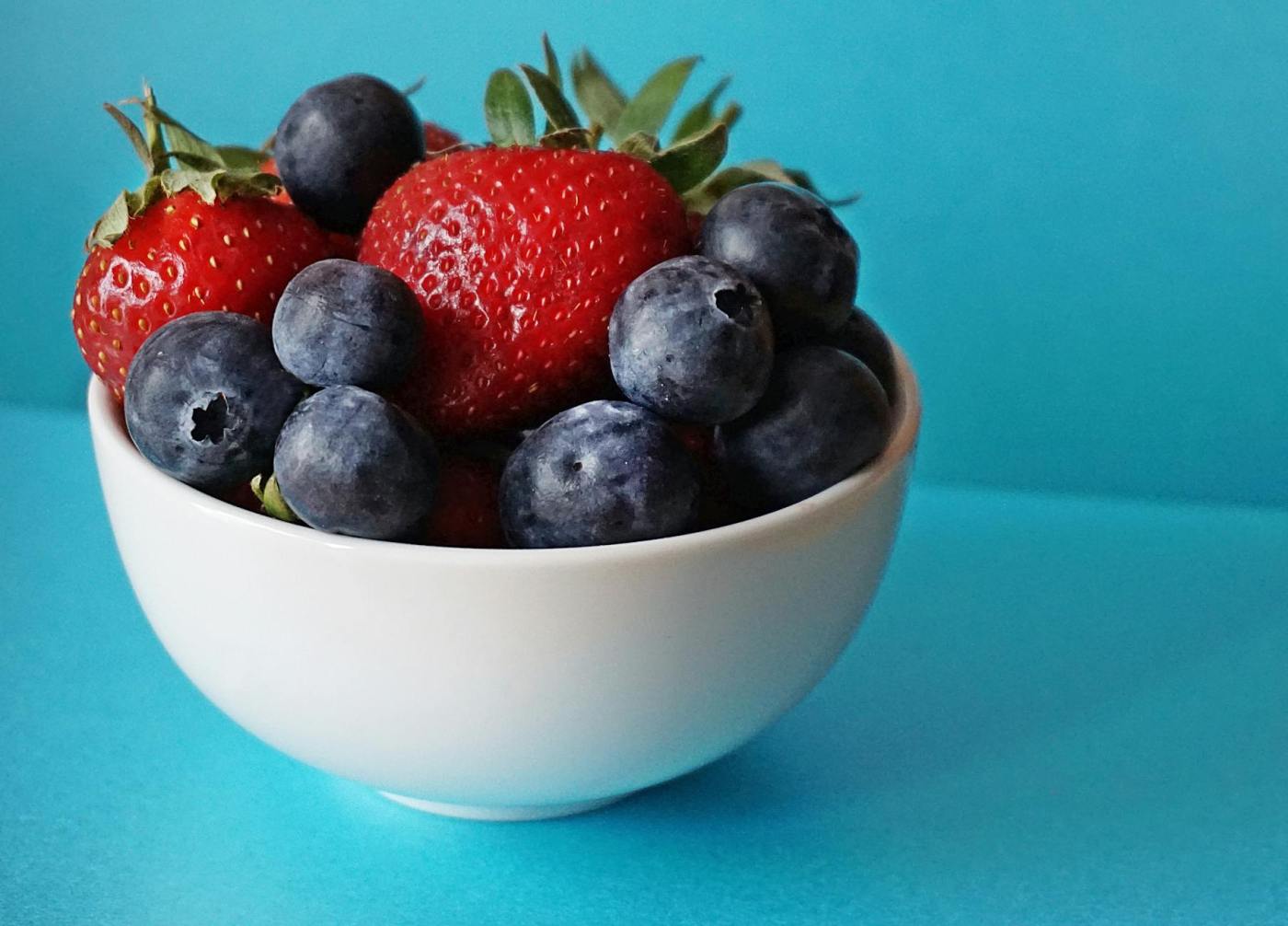
Fruits can also be very healing, depending on which ones you eat. The best fruits to eat to help heal hemorrhoids are blueberries, blackberries, strawberries, and cherries. Blackberries and blueberries have a medicinal effect because they can help heal the vascular system. I learned from an herbalist who said she had hemorrhoids after her first pregnancy, that she ate blueberries every day during her second pregnancy and she never had a problem after that. A good handful per day would be helpful.
Don’t forget to drink plenty of water throughout the day, as dehydration contributes to constipation.
2. No straining on the toilet.
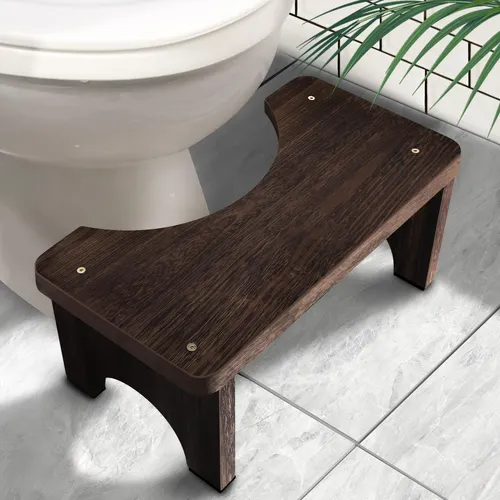
I can’t stress this enough. Not only should you not strain, but if you have turned your bathroom into a library, now is the time to change that. I don’t know who started the trend of reading in the bathroom, but ideally in going to the loo you should be in and out. The above photo shows something called a squatty potty. This is something you put your feet on when using the toilet as it will make it easier to go. You don’t have to buy anything fancy; it can be a small stool you have at home or even a plastic one. Anything will work that will lift your legs at an angle. And remember, you never want to sit for too long on the toilet, this is why avoiding reading on a phone is so important, because you are increasing your risk of developing hemorrhoids or making them worse.
3. Avoid problem foods
Problem foods include ones that contribute to constipation such as pasta, packaged cookies and crackers, anything in the bakery section at a regular grocery store, excess amounts of white rice, mashed potatoes, bread, pizza, etc. For anyone who is gluten free, there are many gluten free products that are still problematic since they contain rice flour, starches, and other refined ingredients. When you’re having an outbreak, these foods must be avoided to speed up the healing process. Of course, it doesn’t mean you can’t ever have them, but to effectively heal hemorrhoids they should be cut from the diet temporarily.
To give you some meal ideas: breakfast can be eggs with some sautéed veggies, or even leftover dinner (soup, stew, etc.) Leftover roasted sweet potatoes and onions can be made into a hash with some eggs. A good snack would be to have a handful of berries every single day or apples/pears. Lunch can be a salad with roasted beets, and dinner can be a protein the size or your palm and one or two vegetables. For example, chicken with roasted root vegetables, beef stew with carrots, green beans, broccoli and potato soup cooked with chicken broth, etc.
A note on gluten and dairy…
I mentioned about what foods to cut from the diet, and for many people eating gluten and diary products can be constipating. I would suggest while having an outbreak to avoid these foods as well, especially in large amounts. Once you’re healed, you can determine in what amount your body can handle them. There are some people who realize that they react negatively to one of them or both and some who can handle them in small amounts with no problem.
On to the remedies…
I am going to share with you some remedies that have actually been shown to work from experience.
First is a plant called horse chestnut (Aesculus hippocastanum).
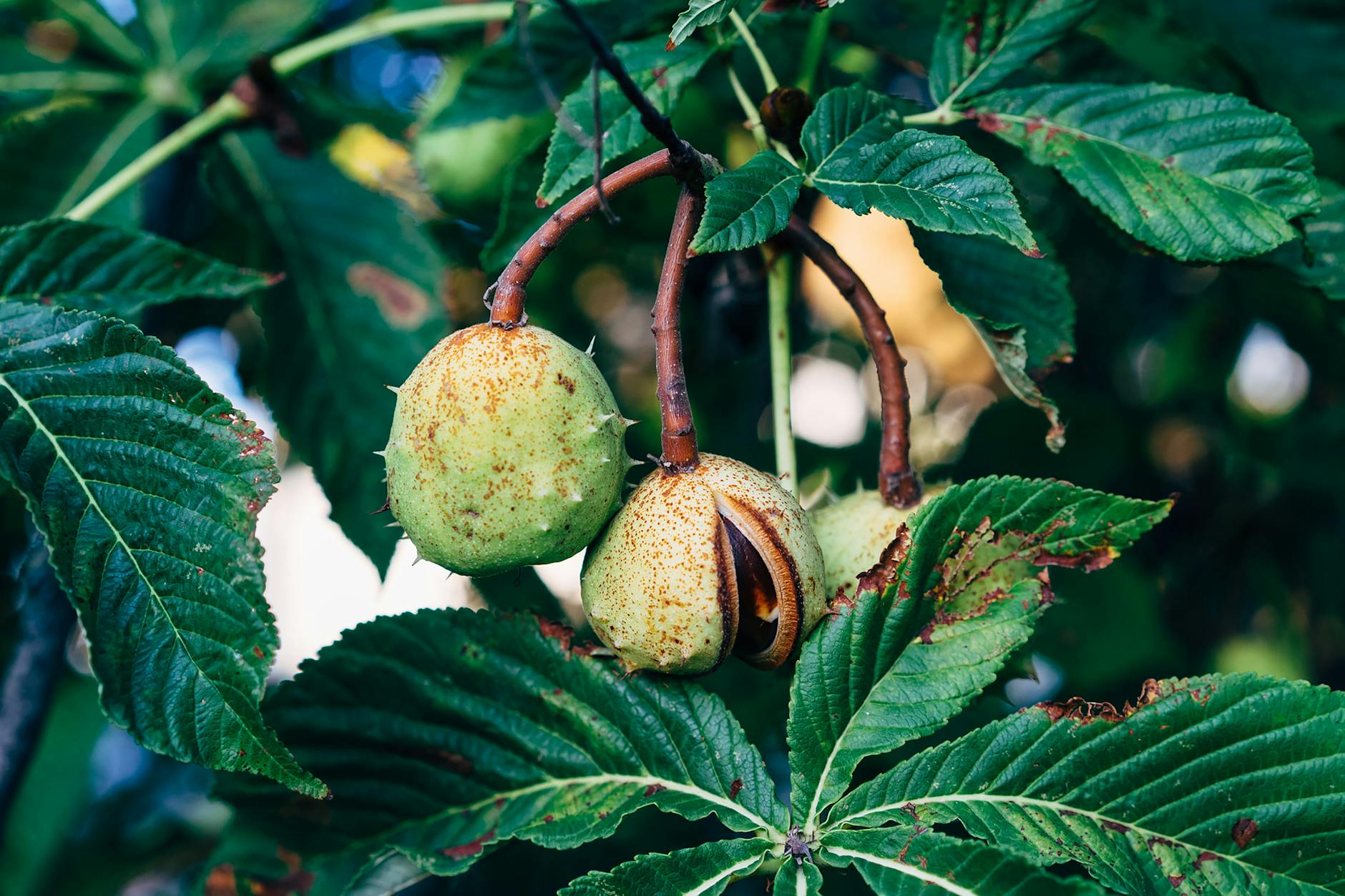
Horse chestnut is a tree that can bring amazing results from people suffering from venous problems. It has been used for chronic venous insufficiency and can help strengthen the vascular system, including healing hemorrhoids. The medicinal part of this tree is found in the shiny brown seeds, and it can be used internally and externally. The best results with this that I have seen (so far) is taking it in capsule form 2-3 times per day. The capsules can be bought online from a website like Vitacost, and they contain a standardized extract of one of its constituents called aescin.
Another supplement to consider is rutin. Rutin is a compound found in certain plants and fruits such as apples, citrus, buckwheat, and the plant violet. It can be taken in supplement form to help circulation and heal the vascular system. Some people have found relief from hemorrhoids by solely taking a rutin supplement. You can also drink an overnight infusion made from violet leaves a few times per week.
Another powerful remedy is apple cider vinegar. It might sound strange to use vinegar on hemorrhoids, but it really does help. The only time you shouldn’t use it is if the area is really red and inflamed. Otherwise, if there is just soreness or pain, I recommend to use frozen apple cider vinegar cotton pads or paper towels. All you have to do is put a little bit of apple cider vinegar in a shallow bowl and place some cotton pads or folded up paper towels in it to soak, then place them in the freezer. Do a test first to make sure it doesn’t bother you. They can be used several times per day when having an outbreak, and stored in a zip lock bag.
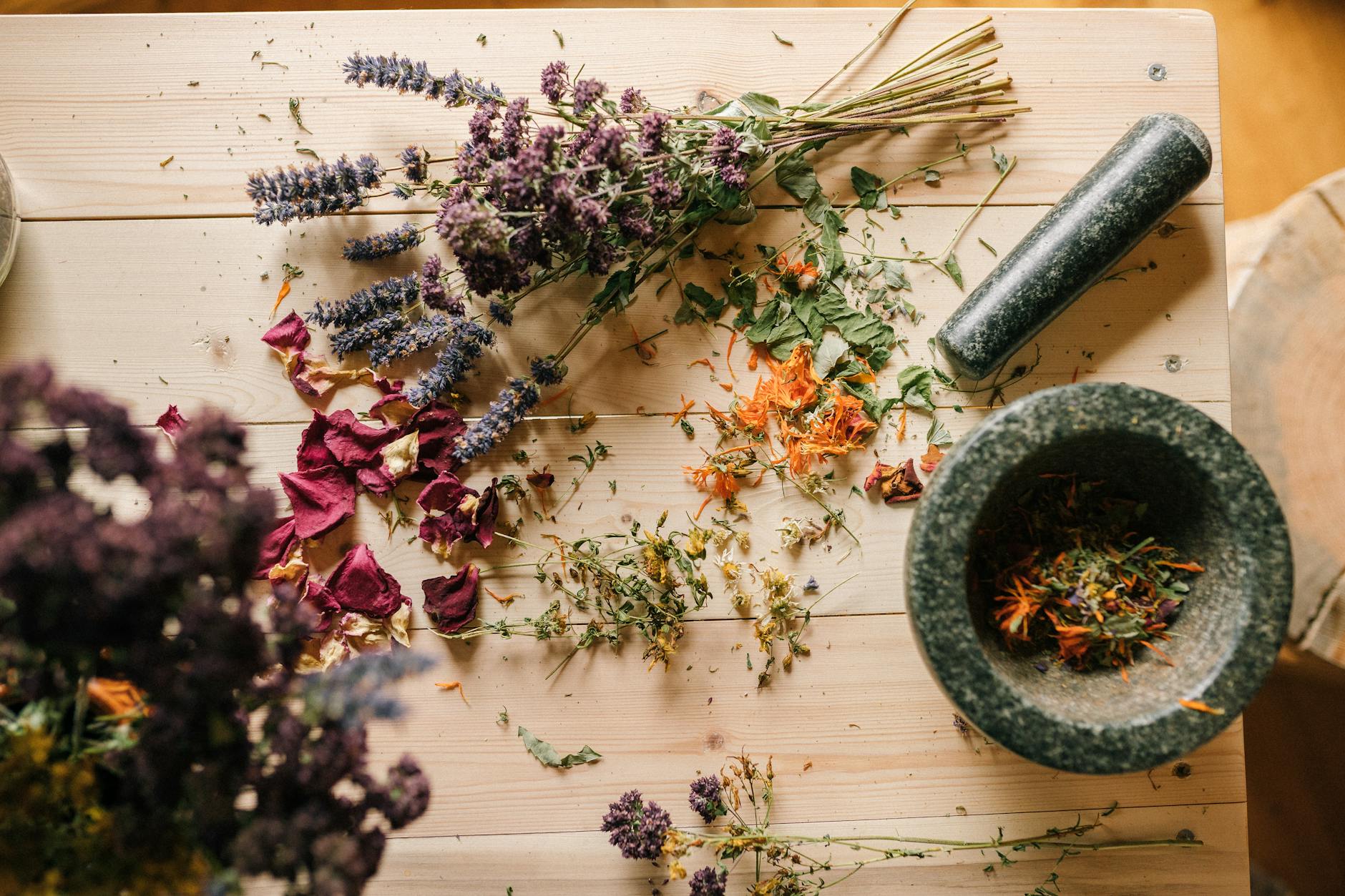
Third, if the area is really sore and inflamed, try a calendula salve. Calendula is a very skin soothing and healing plant that can ease pain and inflammation. Plantain will also work similarly too. If you want to try making your own salve with calendula or plantain (or both), there are many herbal books on the topic and online recipes, or you can buy a salve from one of the many herb shops out there.
Another option is to make a strong calendula/plantain tea, let it steep for 30-60 minutes, then place cotton pads or folded up paper towels in the tea and freeze them to apply to the area. They can also be applied at room temperature, without needing to freeze them.
A note on fiber…
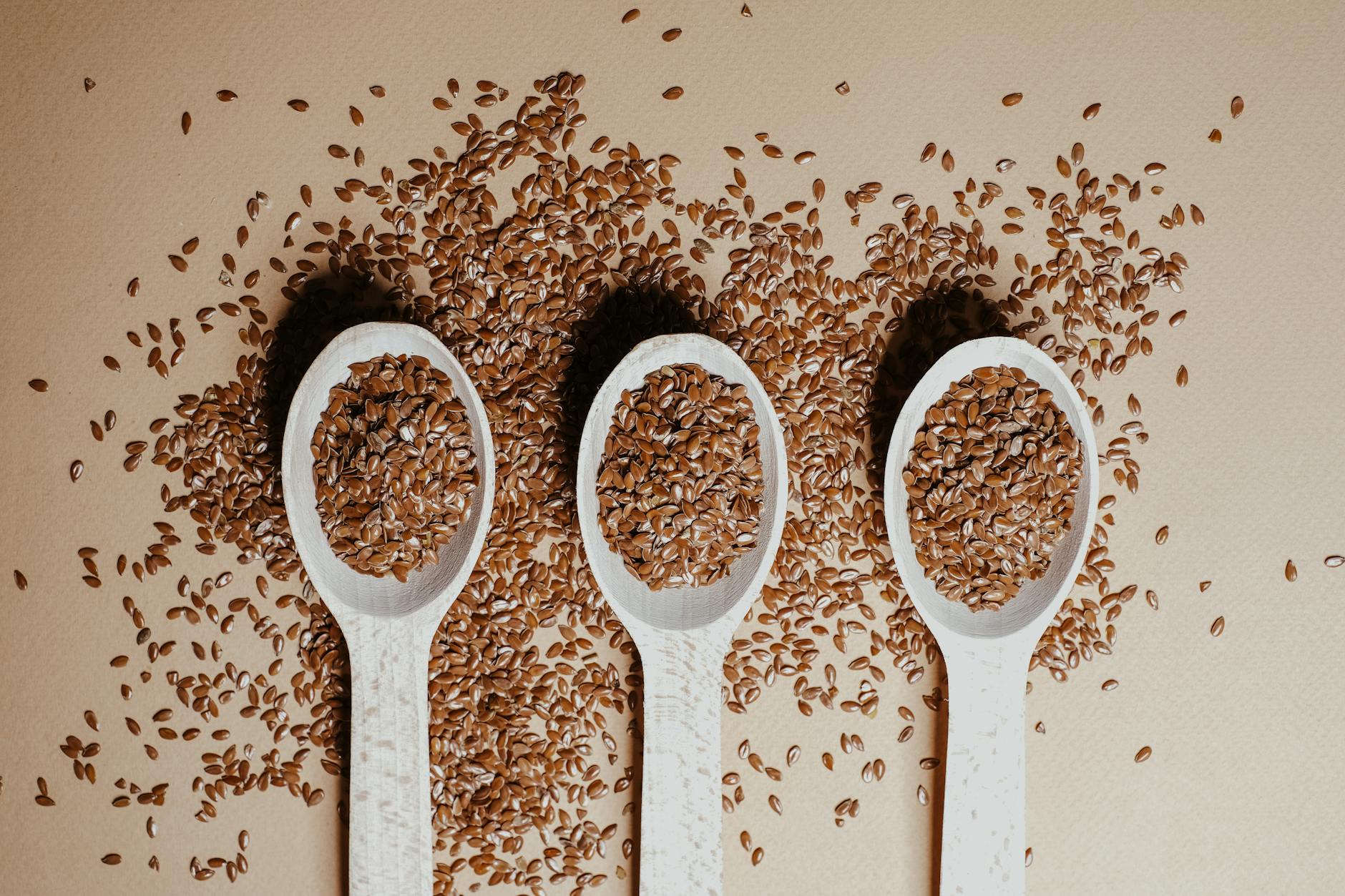
It’s crucial to make sure there is no constipation when having a hemorrhoid outbreak. Many people will take fiber in the form of psyllium husk and ground flax seeds. If you want to try psyllium husk you must let it soak in water until the water turns to gel, which takes about 5 minutes. Try 1 teaspoon per 10 0z. of water. Never ever take fiber all on its own without water, or it will in fact worsen constipation. Flax seeds are more gentle and for the average adult, 2 tablespoon of ground flax seeds can be mixed into a glass of water.
Just be aware that there is such a thing as too much fiber. If you are eating berries and plenty of root veggies, you probably don’t need flax seeds or psyllium, but if you are unable to eat those foods then consider the extra fiber. Chia seeds are another option and can also be added to water until they turn to a gel. There’s plenty of recipes online that feature chia seeds such as overnight pudding and healthy desserts.
The unfortunate thing about hemorrhoids is that they sometimes don’t go away. I had a nurse practitioner tell me that she’s never seen them go away in her practice. However, for many people changing the diet and following all of these guidelines, you can greatly shrink them or perhaps get to the point where you’ll never have another outbreak.
Hope this helps 🙂
Photos by Photo by Wendy Wei on Pexels.com, Yan Krukau on Pexels.com, Vie Studio on Pexels.com
 A Spoonful of Garlic
Leave a comment