Premenstrual syndrome (PMS) refers to a wide-ranging set of symptoms that affects the majority of menstruating women at some point in their lives. Also called premenstrual tension (PMT), there have been over 150 symptoms associated with PMS that usually begin several days before menses or up to a week and a half prior. While many people don’t consider PMS a serious medical condition, the symptoms that women go through can be quite debilitating and sometimes require medical attention. While we know how women can get during “that time of the month”, there are certain physiological changes that happen in a woman’s body that cause these uncomfortable symptoms to occur, often due to lifestyle factors.
Symptoms such as mood changes, irritability, bloating, anxiety, constipation, hunger, salt and sugar cravings, difficulty concentrating, and fatigue are all too common. But don’t worry, ladies, there are solutions and believe it or not you don’t have to live with your uncomfortable symptoms. Before we get to the solutions though, let’s start with a primer on the menstrual cycle.
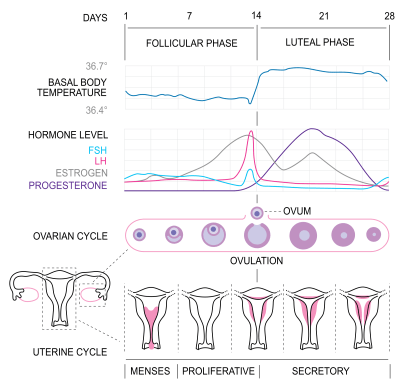
Unlike men, women’s bodies are constantly in a cycle in which hormones fluctuate at different levels. The menstrual cycle can be divided into two phases: the follicular phase and the luteal phase. The first day of menstruation is the start of the follicular phase and is the beginning of a cycle. The follicular phase is the time when a follicle in the ovaries is selected for ovulation and matures, which old texts say lasts from day 1 until about day 14, though that varies significantly. The luteal phase consists of the time from ovulation until the next menses begins, or technically the day before.
The dominant hormone during the follicular phase is estrogen, and is the time in our cycles when we feel the most active, energetic, outgoing, and creative. It’s also the time leading up to ovulation, which happens when luteinizing hormone is sent from the pituitary gland, causing the dominant egg to burst out of its follicle. This is the time in mid-cycle, which if you have a perfect 28-day cycle, it would be day 14. The follicle that previously housed this egg now becomes the corpus luteum (“yellow body”) and releases progesterone, the hormone that is dominant during the luteal phase.
One of the effects of progesterone is that it thickens the lining of the uterus in preparation for a pregnancy (think of progesterone= pro-gestation), whether conception happens or not. It’s important to know that women’s cycles can vary from anywhere between 21 to 36 or more days. A healthy cycle however, should not be less than 26 days, or that could mean there could be an excess of estrogen in the body. This second part of the cycle is the one that is usually constant, lasting from around day 15 to day 28 (numbers vary depending on how long your cycle lasts), and is the time when premenstrual symptoms begin. For some women, the symptoms start right after ovulation; for others it can be a few days before menstruation begins. This is the time in the cycle when our energy starts to decline, when we feel the need to rest, and whatever health issues we normally have tend to exacerbate here as well. For example, if you are someone who is prone to UTIs, colds, or headaches, you may start to experience flare-ups during this part of the cycle.
The hormone progesterone causes relaxation of smooth muscles, which is why some women experience constipation and headaches during this time as well. Functions in the body start to slow down more, sometimes causing feelings of sadness or depression. This is the hormone that is also dominant during pregnancy, and the symptoms are often very similar.
There is a gentleman named Guy Abraham who categorized PMS symptoms into 4 categories back in the 1980s. PMT-A is the category he rates as the most common subgroup, that is most likely caused by elevated estrogen and low progesterone levels and consists of nervous tension, irritability, anxiety, and behavior that is sometimes detrimental to family or self. PMT-H symptoms include water retention, weight gain, breast tenderness, and abdominal bloating. PMT-C symptoms consist of craving sweets, increased appetite, fatigue, headaches, and fainting spells. And finally, there is PMT-D, which he considers the most dangerous because women have committed suicide who suffer from the symptoms associated with this group: depression, insomnia, forgetfulness, and confusion.
Interestingly, you don’t find the term “PMS” in old medical texts, instead you find the word ‘hysterics’ that refers to the same thing. Hysterics? I thought that was very odd. I suppose for some women who really struggle though, it’s probably not that far off. A severe case of PMS is called premenstrual dysphoric disorder (PMDD), in which women experience severe cases of these symptoms to the point where it interferes with daily activities.
I believe there’s nothing wrong with feeling some fluctuations during your monthly cycles. It’s okay to be more energetic at certain times of the month than others. It’s simply a natural fact of life. It’s what makes us women. We don’t have to see it as a curse, just simply a time when we need to slow down and care for ourselves more. Though I will tell you one thing that is certain: the healthier the body, the easier that time of the month will be. It all comes down to balancing those hormones and keeping your liver healthy. I heard a holistic practitioner suggest that women should look at their menstruation as their monthly health report. When you are having a particularly difficult time, think of what happened the month prior that could have made symptoms worse.
Now let’s get to the solutions…
For cramps:
Diet is of the utmost importance if you experience cramps. The #1 solution for cramping is that you need to increase your mineral intake, especially magnesium. If you have severe cramping, it might take a few months to see a dramatic decrease, but they will get better. Making herbal infusions is the best way to get minerals into your body and you should be drinking 1 quart per day. See the How to… page for instructions.
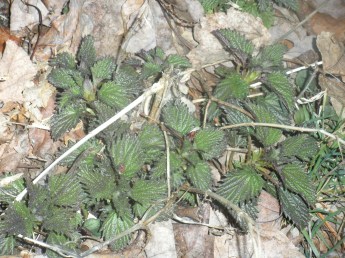
Nettles is a huge help here, since it contains an abundance of minerals. However, if you are someone who is prone to dryness, try using 1 TBS. of nettle and 3 TBS. of another herb that is more moistening, like violet or marshmallow leaf (Althaea officinalis, not the candy), in your infusions. You should be drinking herbal infusions every day, not just right before your menses begins. Most of us are depleted in minerals to begin with, and women who experience painful cramping especially need them everyday.
Dark leafy greens contain minerals as well, along with various vegetables. I would also recommend taking a good quality magnesium supplement, in the form of magnesium citrate or glycinate, that can be taken in powder, liquid or tablet form. The dose is 400-800 mg per day in divided doses, since you can only absorb so much magnesium at a time. A good brand is Pure Encapsulations.
In addition, it’s important to know that cramps are caused by inflammation, often due to poor diet and the consumption of too much omega-6 fatty acids. You should eliminate any chips or processed foods that contain corn oil, cottonseed oil, soybean oil, canola oil, “vegetable oil”, and definitely any hydrogenated oils. Conventional candy contains all that harmful stuff, as does fast food and has no place in a healthy lifestyle. Instead, switch to olive oil, coconut oil, grass-fed butter or ghee, pasture-raised lard, and increase your intake of omega-3s.
Drinking ginger tea is nice while you have cramps, and is best made from fresh ginger. Grate or chop an inch of ginger into a mug and pour hot water over it. Cover and let steep for 10-15 minutes and sweeten with honey if you like.
For heavy bleeding:
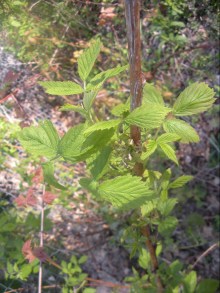
If your period lasts for more than 5 days, the same recommendations apply as above and I would also stress to start cutting way back on refined carbs and sugar. In addition, raspberry leaf would be a good tonic to drink in infusion form regularly since its astringency will help to tone and strengthen the uterus. Rose petals also have an astringent quality as well and can be added to the tea. A helpful formula for this would be 2 parts raspberry leaf, 1 part nettle, 1 part marshmallow leaf, and a pinch of rose/mint. Please note that severe bleeding should be evaluated by a physician.
Anxiety and mood changes/ PMT-A
It’s important to keep blood sugar levels stable and ensure you are getting enough B-vitamins in the diet. The first meal of the day should contain protein and fat, not be carb-heavy. In fact, meals in general should contain protein and vegetables, with a good-quality fat, which will provide the adequate nutrition you need. If you are someone who is used to pancakes, bagels, pizza, cereal, etc. now is a good time to change. Cutting back on white flour and white sugar will help anxiety tremendously and keep your blood sugar levels and mood stable.
Plants that are considered calming nervines have a soothing effect on the nervous system and can calm anxiety, irritability, and mood changes. These plants include rose (Rosa spp.), oats (Avena sativa), skullcap (Scutellaria lateriflora), tulsi (Ocimum tenuiflorum), and kava (Piper methysticum). Herbs may be taken in tea or tincture form as needed, though kava should be prepared in a milk or milk-substitute since the constituents are fat-soluble. It’s a good idea to relax after dinner with a soothing tea, especially when you start to feel frazzled. Chamomile is nice for this and can be mixed with mint, rose, or oats and lightly sweetened. Be sure to cover the tea and let steep for ten minutes to get the full benefits.
*Bonus: magnesium also helps nerves and can prevent insomnia*
For PMT-H

Dandelion leaf can be a big help here, since it is a diuretic and also contains potassium. It should be prepared in infusion form, where you can add, say 2 TBS. of it and 2 TBS. of nettle/oatstraw/violet/alfalfa and drink throughout the day. You can also mix and match different infusion herbs for tea and see which you like best. Eating foods high in potassium and those that are naturally diuretics will also help such as parsley, sunflower seeds, avocados, and peaches. Remember that sugar depletes minerals in the body, and drinking too much coffee depletes potassium. One cup of coffee in the AM is usually okay for most people, but if you are someone who drinks a pot per day, now is the time to cut way back!
Other considerations…
Help your liver
Your liver has hundreds of functions in the body, one of which is clearing out used up hormones. One of the reasons for PMS symptoms is an overburdened liver with too much work to do. You can give it a hand by taking bitters every day before meals. These can be bought in stores or you can make your own at home. If you want something alcohol-free, you can eat a few bitter greens everyday such as dandelion leaves, chicory leaves, radicchio, or you can drink roasted dandelion root as a beverage. Bitters help to stimulate digestive secretions that help us better digest our food and stabilize blood sugar. They also help release bile from the liver and improve its function.
Botanicals that are specific for the liver include dandelion (Taraxacum officinale) root, burdock (Arctium lappa) root, yellow dock (Rumex crispus) root, and artichoke leaf (Cynara scolymus). You can also eat ground up milk thistle seeds (Silybum marianum), which will help the liver by improving the function of liver cells and will protect it from toxins. Ground up seeds can also be sprinkled on top of any dish.
Who wants brownies?
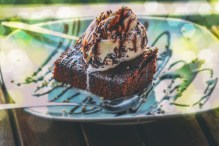
Blood sugar levels tend to drop right before menses, which is why many women will want sugar during that time. Simple carbs provide quick energy and can improve serotonin levels, but the effect is not lasting. Believe me, I am all for eating organic, dark, fair-trade chocolate or brownies, just make sure you are also eating balanced meals first so your blood sugar doesn’t go through the roof. Similarly, if you are craving salt during this time, it usually means that you need minerals. There are plenty of healthier versions of regular brownies, so feel free to try different ones!
Foods for hormonal health…
Here is a list of a few foods that will greatly improve your health and should be eaten or added to meals every week: sweet potatoes, beets, kale or greens of choice, onions, garlic, apples (organic), raspberries/blackberries/blueberries, bone broth, avocados, broccoli, cauliflower, lemon juice, and sardines.
Two other important factors in hormonal health are sleep and fasting between meals. You must be sleeping at least 8 hours every night to recharge your system. Lack of sleep will increase your cortisol levels (cortisol is a stress hormone) and throw your system out of whack. It will also increase your hunger and lead to overeating, not to mention deplete your immunity.
Also, if you are someone who is always snacking, try to kick that habit. Every time we eat, insulin is released to put away the blood glucose that naturally arises from food. This is a normal process, yet when it is done all day, it eventually leads to inflammation, insulin resistance, and weight gain. Be sure to eat a complete meal for breakfast, lunch, and dinner, leaving at least 3-4 hours between meals. If you really need a snack, go for an apple with almond/peanut butter, nuts, carrot sticks, or something similar. And better yet, you should stop eating 3 hours before bedtime, as this will give your body adequate time to digest your dinner, leaving your system to detoxify, build immunity, and recharge while you sleep.
Wishing you a happy cycle!
 A Spoonful of Garlic
Leave a comment