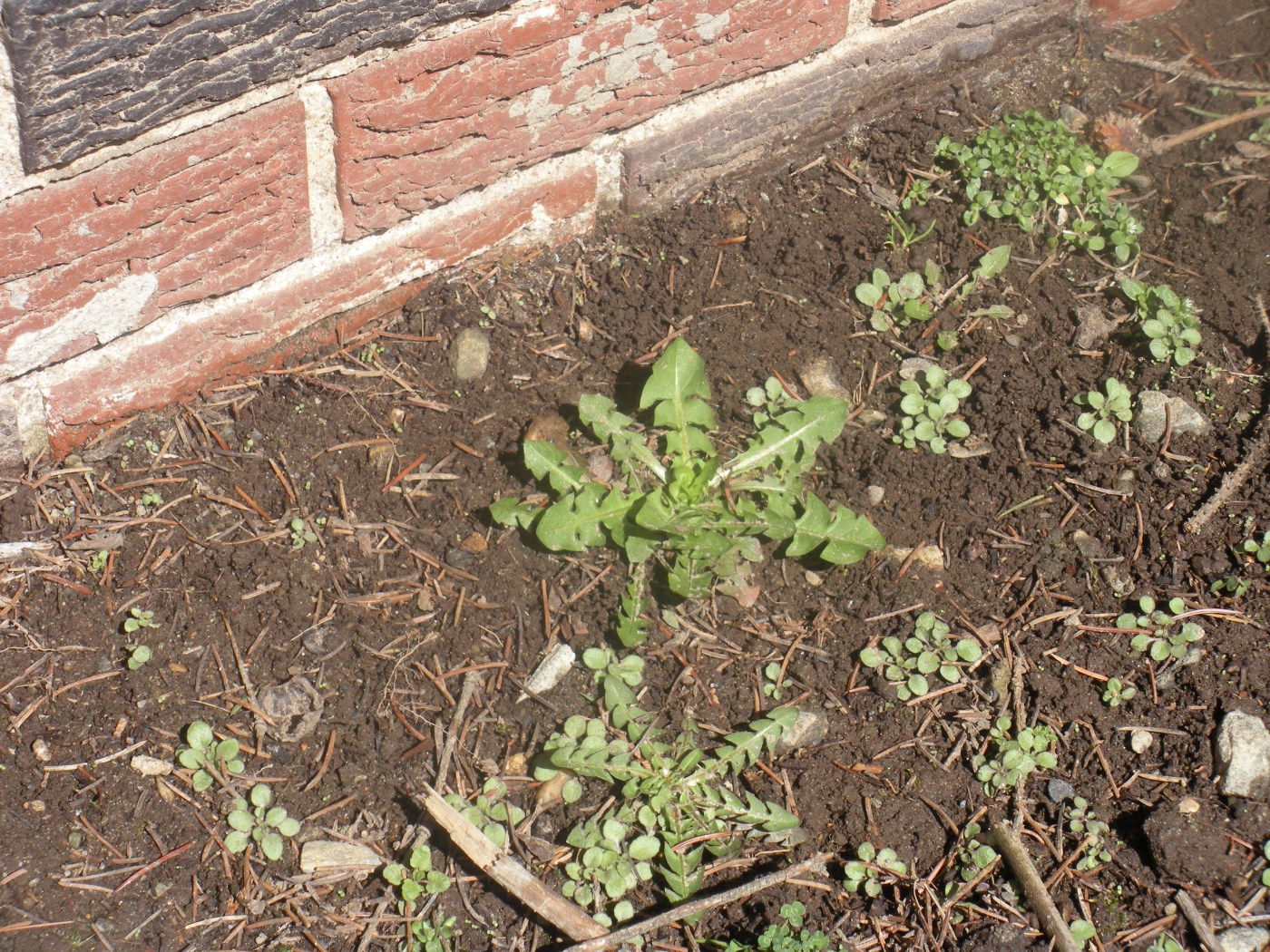
Welcome to the first blog post! We’re kicking things off with the first in a series of edible and medicinal wild foods: dandelion. For many people, dandelions are nothing more than a nuisance that they wish they can rid their lawns of permanently. But for herbalists it’s happily welcomed every spring. And notice I said food not weed. Dandelion was actually considered a vegetable by Europeans centuries ago and it was brought to this continent intentionally by the early settlers. Imagine that.
Since an entire book can be written about dandelion (Taraxacum officinale), I’ll give a brief introduction. The entire plant is edible: the flower, leaf, and root. It tastes mildly bitter, which is a good thing because bitter is a forgotten flavor for most of us since we’re constantly bombarded with sweets. Many cultures all around the world eat bitter foods to stimulate the digestive process. Dandelion can help stimulate saliva, bile, and hydrochloric acid, making it useful for improving digestion. It has been said that the lack of bitter foods from the modern diet is one of the contributing factors for many of our digestive troubles.

If the bitter taste turns you off you can always start slow by having a little bit here and there, like eating a dandelion flower once a day (making sure they haven’t been sprayed with pesticides first).
For its medicinal properties the leaf contains an abundance of minerals like iron, calcium, magnesium, and a great deal of potassium. The leaf can be used as a natural diuretic when made into a tea, making it a great alternative for pharmaceutical diuretics which deplete the body’s potassium. The root has bile stimulating properties and is a fabulous liver tonic. The flowers have been used for sore muscles and skin care when infused into an oil.
Here are a few things to try with dandelion this season:
1. Saute leaves and/or flowers with garlic and olive oil and serve as a side dish. Leaves can be used like any dark leafy green in cooking, though they get tougher and more bitter as late summer and fall come around. Top with feta if you wish.
2. Roast the chopped up roots in the oven at 350 degrees for about 35 minutes, or until dark brown to use as a coffee-like beverage. Use approximately 1-2 teaspoons for 8 oz. of water and simmer for at least 15 minutes for a bitter tea to be enjoyed any time of day. Add sweetener if desired. (Roots are best dug up in spring or fall). You can also powder the roasted root and use in a coffee maker.
3. Add leaves and flowers to your salads, or if you’re feeling brave make an entire salad with just dandelion greens instead of lettuce.
4. Put any or all plant parts in a glass jar and cover with vodka or apple cider vinegar to make a bitter extract that you can take before meals. Cover and let steep for 4-6 weeks and take a few drops approx. 15 min. before meals to help you digest your food.
5. Dry the leaves and flowers on screens in a well ventilated area to make a mineral rich tea during the winter months. These can be blended with other dried plants like nettles, red clover, etc. Use about 1 tablespoon per cup and let steep overnight.
If you’re someone who kills the dandelions in your yard every year, I hope this will encourage you to see this plant in a new light!
 A Spoonful of Garlic
Leave a comment